




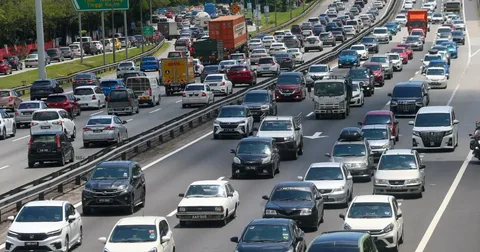
Every day, heavy vehicles such as trucks, buses, and transport fleets share Australian roads with motorists, cyclists, and pedestrians. While these vehicles play a vital role in keeping goods and services moving across the country, they also present unique safety challenges.
One of the most significant risks is the presence of heavy vehicle blind spots—areas around a vehicle that the driver cannot see, even when using mirrors.
Understanding where these blind spots exist and how to avoid them is essential for reducing collisions and improving road safety for everyone.
What Are Heavy Vehicle Blind Spots?
A blind spot is any area around a vehicle that is not visible to the driver through mirrors or direct line of sight. Due to their size, height, and design, heavy vehicles have substantially larger blind spots than passenger cars.
Unlike standard vehicles, truck drivers must monitor multiple mirrors while navigating traffic, changing lanes, turning, and responding to road conditions. Even experienced drivers can struggle to maintain visibility of all surrounding road users at all times. According to Australia’s National Road Safety Strategy, heavy vehicles are involved in approximately 18% of all road crash fatalities, highlighting the importance of improving safety measures and awareness around these vehicles. (National Road Safety Strategy)
Where Are the Main Blind Spots?
Heavy vehicle blind spots are commonly found in the following areas:
1. Directly in Front of the Vehicle
Many motorists are surprised to learn that truck drivers may not be able to see vehicles positioned immediately in front of the cab. The elevated seating position can create a large area where smaller vehicles, motorcycles, or pedestrians disappear from view.
2. Along the Passenger Side
The passenger side is often the largest blind spot on a heavy vehicle. Vehicles travelling alongside a truck in this area may be completely hidden from the driver’s mirrors.
3. Along the Driver’s Side
Although visibility is generally better on the driver’s side, a blind spot still exists beside the cab and trailer. Vehicles lingering in this area can be difficult to detect during lane changes.
4. Directly Behind the Vehicle
Heavy vehicles often have limited rear visibility, particularly when carrying large loads or trailers. Drivers rely heavily on mirrors and technology to monitor this area.
Why Blind Spots Are So Dangerous
Blind spots become particularly hazardous during common driving manoeuvres such as:
- Lane changes
- Merging traffic
- Turning at intersections
- Reversing
- Overtaking
- Navigating urban environments
When another road user occupies a blind spot, the driver may not realise they are there. This can result in side-swipe collisions, turning accidents, or near misses.
Research and road safety agencies consistently identify blind spot awareness as a key factor in reducing heavy vehicle crashes involving vulnerable road users such as cyclists and pedestrians. (NRSPP Australia)
Common Mistakes Made by Other Road Users
Many blind spot incidents occur because motorists are unaware of the limitations faced by heavy vehicle operators.
Some of the most common mistakes include:
- Driving beside a truck for extended periods
- Cutting in front of a heavy vehicle too closely
- Overtaking and immediately merging back into the lane
- Stopping directly in front of a truck at intersections
- Riding bicycles or motorcycles alongside turning trucks
- Assuming the driver can always see surrounding traffic
If you cannot see the truck driver’s face in their mirror, there is a strong possibility they cannot see you either. This simple rule can help drivers avoid dangerous positioning on the road. (Queensland Government)
How Drivers Can Stay Out of Blind Spots
Sharing the road safely with heavy vehicles requires awareness and patience.
Consider the following safety practices:
Maintain Safe Following Distances
Leave sufficient space behind trucks to ensure visibility and provide extra reaction time if traffic conditions change suddenly.
Pass Promptly and Safely
When overtaking a heavy vehicle, do so efficiently and avoid lingering alongside the vehicle.
Avoid Travelling Beside Trucks
The longer you remain next to a truck, the greater the likelihood of entering a blind spot.
Give Turning Vehicles Extra Room
Heavy vehicles often require additional space to complete turns safely. Avoid positioning your vehicle alongside a truck that may be turning.
Anticipate Larger Stopping Distances
Heavy vehicles require significantly more distance to slow down and stop than passenger cars. Cutting in front of them can create serious hazards. (Victoria Police)
How Technology Is Improving Blind Spot Safety
Modern vehicle safety technology is helping transport operators reduce the risks associated with blind spots.
Advanced camera systems, sensors, and radar-based detection tools provide drivers with greater situational awareness and can alert them when another vehicle, cyclist, or pedestrian enters a high-risk area.
Many fleet operators are now investing in blind spot monitoring systems to enhance visibility and support safer driving practices. These systems can help identify hazards that traditional mirrors may miss, particularly in congested urban environments and during complex manoeuvres.
As safety regulations continue to evolve, technology is expected to play an increasingly important role in preventing collisions involving heavy vehicles.
The Future of Heavy Vehicle Safety
Governments, transport authorities, and industry groups across Australia are working to improve heavy vehicle safety through better infrastructure, driver training, public education, and vehicle technology.
Recent research has shown that awareness remains a challenge. One Australian survey found that only 3% of motorists could correctly identify all major heavy vehicle blind spots, demonstrating the need for greater public understanding of this critical road safety issue. (Newsreel)
While technology can significantly reduce risk, safety ultimately depends on cooperation between truck drivers and other road users.
Conclusion
Heavy vehicle blind spots are an unavoidable reality of operating large commercial vehicles. However, many collisions can be prevented when motorists, cyclists, and pedestrians understand where these blind spots exist and adjust their behaviour accordingly.
By maintaining safe distances, avoiding prolonged travel alongside trucks, and embracing emerging safety technologies, everyone can contribute to safer roads.
Increased awareness, combined with modern monitoring systems and responsible driving habits, remains one of the most effective ways to reduce accidents and protect lives across Australia’s transport network.
