



A water leak can create serious problems inside a home, even when the visible damage appears minor. A leaking pipe, damaged roof, overflowing appliance, or unnoticed plumbing issue can introduce moisture into walls, ceilings, floors, and other building materials. One of the biggest concerns following water damage is mold growth. Mold can develop surprisingly quickly when damp conditions remain untreated, potentially affecting indoor air quality and damaging household materials.
Understanding how fast mold can spread after a leak in Beltsville helps homeowners take timely action, prevent expensive repairs, and protect their living spaces. The sooner moisture is identified and removed, the lower the chances of extensive mold contamination.
How Quickly Can Mold Begin Growing After a Leak?
Mold spores are naturally present in indoor and outdoor environments. They generally become a problem when they find suitable conditions, including moisture, oxygen, and an organic food source such as wood, drywall, paper, or carpet.
Under favorable conditions, mold can begin growing within approximately 24 to 48 hours after materials become wet. However, the exact timeline depends on temperature, humidity, ventilation, and the type of material affected.
A small leak that remains unnoticed for several days can therefore create an opportunity for mold to establish itself. Even if a surface looks dry, moisture trapped behind walls or beneath flooring may continue supporting mold growth.
Why Does Mold Spread So Quickly After Water Damage?
Mold spreads through microscopic spores that travel through the air. When these spores land on damp surfaces containing suitable nutrients, they can begin developing colonies.
Several conditions can accelerate this process:
High Humidity: Moist indoor air makes it difficult for wet materials to dry completely. Bathrooms, basements, kitchens, and poorly ventilated rooms are particularly vulnerable.
Warm Temperatures: Many common household molds grow well in typical indoor temperatures. Warm conditions combined with moisture can encourage faster development.
Porous Building Materials: Drywall, insulation, wood, carpets, and upholstery can absorb water. These materials may retain moisture long after visible puddles disappear.
Poor Air Circulation: Rooms with limited ventilation may remain damp for extended periods, allowing mold-friendly conditions to persist.
Unnoticed Leaks: Slow plumbing leaks and small roof openings can continuously introduce moisture, making it difficult to eliminate the underlying problem.
Where Does Mold Commonly Develop After a Leak?
Mold does not always appear directly where water first entered the home. Moisture can travel through building materials and collect in hidden spaces.
Common problem areas include:
Behind Walls and Drywall
Leaking pipes inside walls can saturate drywall and wooden framing. Because these areas are concealed, homeowners may not notice the problem until they detect a musty odor, discoloration, or damaged paint.
Under Carpets and Flooring
Water can move beneath carpets, padding, laminate flooring, and hardwood surfaces. Trapped moisture creates favorable conditions for mold growth and may cause flooring materials to deteriorate.
Around Ceilings and Roof Structures
Roof leaks can allow water to enter attic insulation, ceiling materials, and wooden supports. Brown stains, peeling paint, and sagging ceilings may indicate ongoing moisture problems.
Inside Cabinets and Under Sinks
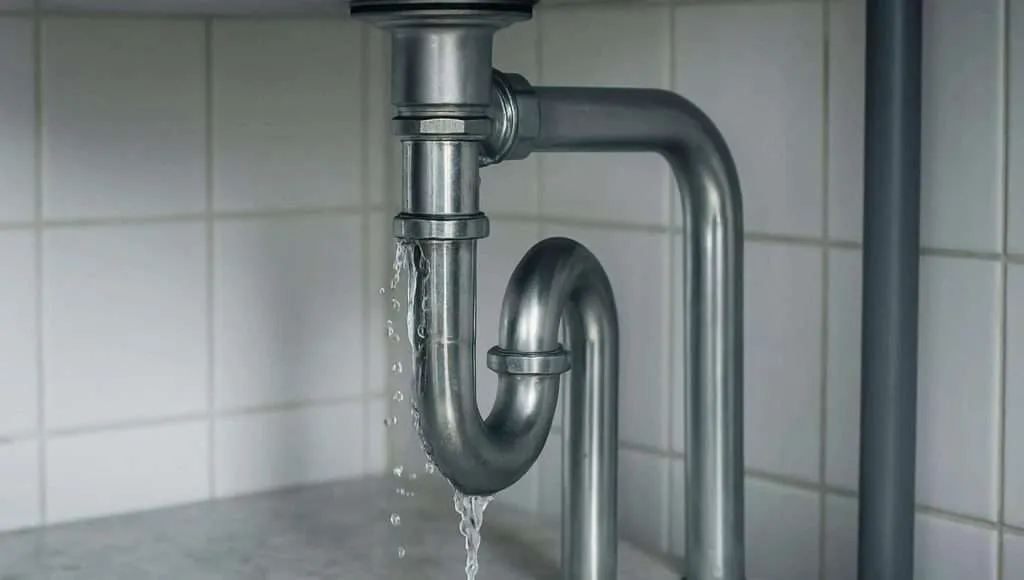
Kitchen and bathroom plumbing connections can develop slow leaks. Cabinets, wall corners, and flooring beneath sinks may remain damp without obvious signs of water damage.
In Basements and Crawl Spaces
These areas often experience limited airflow and higher humidity. A plumbing leak, foundation seepage, or flooding incident can create conditions that support persistent mold growth.
Warning Signs That Mold Is Spreading
Recognizing early warning signs can help homeowners respond before the damage becomes extensive. Some indicators are visible, while others require closer inspection.
Watch for the following signs:
- Musty or earthy odors that persist after cleaning.
- Black, green, gray, or white spots on walls and ceilings.
- Peeling paint or bubbling wallpaper.
- Soft, swollen, or discolored drywall.
- Warped wooden flooring or damp carpeting.
- Condensation around windows and plumbing fixtures.
- Persistent dampness in cabinets, closets, or basements.
Keep in mind that mold does not always appear as visible patches. It may develop behind furniture, inside wall cavities, or beneath flooring.
What Should You Do Immediately After Discovering a Leak?
Taking prompt action after a leak can significantly reduce the likelihood of mold growth. Homeowners should focus on stopping the water source, removing standing water, and drying affected materials.
1. Stop the Water Source
Turn off the relevant water supply if a plumbing leak is responsible. If the water is entering through the roof or exterior walls, arrange the necessary repairs to prevent additional moisture from entering.
2. Remove Standing Water
Use appropriate water-removal equipment to eliminate visible water from floors and other accessible surfaces. Large leaks and flooding may require professional water extraction services.
3. Begin Drying Affected Areas
Use suitable fans, dehumidifiers, and ventilation to encourage drying. However, avoid directing fans toward visible mold growth because this may spread spores into other areas.
4. Inspect Hidden Spaces
Check nearby walls, cabinets, flooring, and ceilings for signs of trapped moisture. Professional moisture detection equipment can help identify damp areas that are difficult to see.
5. Monitor the Affected Area
Continue checking previously wet materials for odors, discoloration, and signs of deterioration. If materials remain damp or mold becomes visible, further assessment may be necessary.
Can Mold Spread Even After the Leak Is Repaired?
Yes. Repairing a leak does not automatically eliminate mold growth or remove moisture already absorbed by building materials.
For example, a plumber may successfully repair a leaking pipe, but the surrounding drywall, insulation, or wooden framing could remain wet. If these materials are not dried properly, mold may continue developing even though no additional water is entering the home.
This is why water damage restoration should include moisture assessment and thorough drying. In cases where mold has already developed, appropriate cleaning or removal may also be necessary.
How Professional Mold Inspection and Removal Can Help
Professional assessment can be especially valuable when water has entered concealed spaces or affected large sections of a home. Trained specialists can evaluate moisture conditions, identify visible contamination, and determine which materials may need cleaning or removal.
Homeowners researching Mold removal beltsville md should look for qualified professionals who understand the relationship between water damage, hidden moisture, and mold development.
A reliable service provider should explain the inspection findings, identify the moisture source, describe the proposed remediation process, and establish appropriate containment measures when necessary. Depending on the extent of contamination, the work may involve removing damaged materials, cleaning affected surfaces, using HEPA-filtered equipment, and verifying that moisture problems have been addressed.
Professional remediation is particularly important when mold covers a large area, repeatedly returns, or affects heating and cooling systems.
How Can Homeowners Prevent Mold After Future Leaks?
Preventing mold growth begins with controlling moisture throughout the property. Regular inspections and timely maintenance can help homeowners identify small problems before they become significant.
Consider these preventive practices:
- Inspect plumbing connections, hoses, and water supply lines regularly.
- Repair roof damage and leaking gutters promptly.
- Check under kitchen and bathroom sinks for moisture.
- Maintain indoor humidity below 60%, ideally between 30% and 50%.
- Use exhaust fans in bathrooms and kitchens.
- Clean and dry water-damaged materials as quickly as possible.
- Inspect basements, crawl spaces, and attics for dampness.
- Address condensation and drainage problems around the property.
These simple steps can reduce the likelihood of prolonged moisture exposure and help maintain healthier indoor conditions.
When Should You Call a Mold Remediation Professional?
Not every small leak requires professional mold remediation. However, certain situations deserve expert attention.
Contact a qualified professional when:
- Water has remained in building materials for more than 24 to 48 hours.
- Mold growth is visible across a substantial area.
- A musty odor persists despite cleaning and drying.
- Mold appears repeatedly after previous cleanup.
- Water has entered wall cavities, insulation, or flooring systems.
- The property has experienced sewage contamination or extensive flooding.
- You suspect mold is affecting the heating or cooling system.
Avoid disturbing extensive mold growth or attempting to remove contaminated materials without suitable protective measures. People with asthma, allergies, or weakened immune systems should take particular care around mold-affected areas.
Conclusion
Mold can begin developing within 24 to 48 hours after a water leak when moisture and other favorable conditions are present. However, the speed and extent of growth depend on several factors, including humidity, temperature, ventilation, and the materials affected.
For homeowners in Beltsville, responding quickly to leaks is one of the most effective ways to prevent mold-related problems. Stopping the water source, removing standing water, thoroughly drying affected materials, and inspecting hidden spaces can make a significant difference.
Most importantly, do not assume that repairing a leak solves the entire problem. Moisture trapped behind walls, beneath flooring, or inside insulation can continue creating conditions for mold growth. Prompt inspection and appropriate remediation can help protect the property’s structure, indoor air quality, and long-term condition.