A furnace that suddenly becomes noisy can be easy to ignore, especially when the heating system still appears to be working. However, unusual sounds often provide an early warning that a component needs attention. Some noises may come from harmless duct expansion, while others can indicate mechanical, electrical, airflow, or combustion problems.
For homeowners searching for
furnace repair Orange County, understanding the difference between normal operating sounds and warning signs can help prevent a small problem from becoming a major breakdown.
Are Some Furnace Noises Normal?
Yes. Furnaces naturally produce some sounds during startup and operation. A gentle hum from the blower, a brief click during ignition, and occasional light popping from metal ductwork expanding as it warms can be normal.
The important factor is whether the sound is new, unusually loud, repetitive, or accompanied by another symptom. A noticeable change from your furnace’s normal operating sound deserves attention rather than being automatically dismissed.
Why Is Your Furnace Making a Loud Noise?
Different sounds can point toward different underlying problems. For example, rattling may be caused by a loose panel or component, while squealing or grinding can indicate wear in moving parts such as the blower motor or bearings.
Whistling can sometimes result from restricted airflow, including a dirty filter or blocked vents. A loud bang when the furnace starts can be more concerning because it may be associated with delayed ignition.
Because the same sound can have multiple causes, homeowners should avoid assuming that a particular noise automatically identifies the failed component.
When Can You Wait for a Repair?
Not every unusual furnace noise requires an emergency response. If the furnace produces a mild rattle but continues to heat normally and there are no unusual smells, alarms, or severe vibrations, you may be able to arrange a routine inspection.
You can begin with a few simple checks. Make sure the air filter is not excessively dirty, confirm that supply registers are open, and check whether an exterior access panel appears loose. A restricted filter can contribute to airflow problems, while loose panels can create vibrations and rattling.
If the noise continues after these basic checks, scheduling professional service is sensible rather than allowing the problem to develop further.
Noises That Should Not Be Ignored
Certain sounds deserve faster attention. A loud bang or boom when the furnace ignites may indicate delayed ignition. In this situation, fuel can accumulate before ignition and create a forceful combustion event. Repeated delayed ignition can potentially damage furnace components, including the heat exchanger.
Metal-on-metal grinding or severe screeching can also indicate that a motor, bearing, blower wheel, or another moving component is wearing out. Continuing to operate the equipment while such components deteriorate may result in more extensive damage.
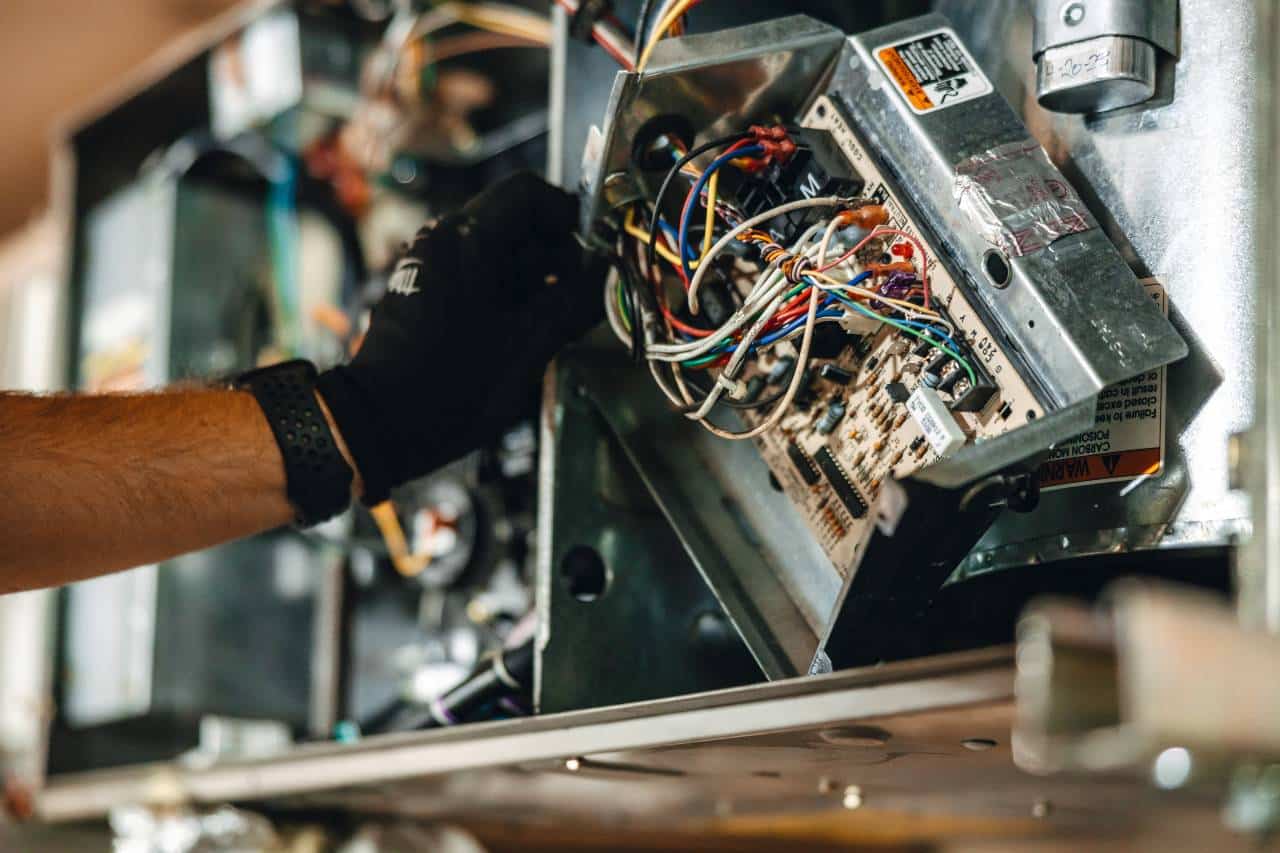
Persistent electrical buzzing is another reason to arrange professional inspection because electrical components are not appropriate for casual DIY repair.
Gas Smells and Burning Odors Require Immediate Attention
A noisy furnace becomes considerably more concerning when the sound is accompanied by a gas smell or burning electrical odor. Do not treat these symptoms as something that can simply wait for a convenient appointment.
If you smell gas, leave the home and contact the appropriate emergency or gas utility service from a safe location. Avoid operating electrical switches or attempting to diagnose the furnace yourself.
A burning smell, visible soot, or unusual electrical arcing should also be treated seriously. These symptoms can indicate combustion or electrical problems that require qualified professional attention.
What About Carbon Monoxide?
Gas- and oil-burning furnaces can produce carbon monoxide, an invisible and odorless gas that can become dangerous when combustion or venting problems occur. The CDC recommends furnace safety measures and emphasizes the importance of carbon monoxide protection.
Every home using fuel-burning heating equipment should have functioning carbon monoxide alarms, particularly near sleeping areas. If a CO alarm sounds, leave the home and seek emergency assistance rather than trying to determine the furnace problem yourself.
How Delaying Furnace Repair Can Increase the Problem
A noisy furnace may initially have a relatively limited mechanical issue. For example, a worn bearing or loose component can produce unusual sounds before the system stops operating altogether.
Waiting until the furnace completely fails can create additional inconvenience, especially during colder weather. A failing component may also place extra stress on related parts. Early diagnosis gives a technician an opportunity to determine whether a simple adjustment, cleaning, or component replacement can resolve the problem.
What Homeowners Can Safely Check
Before calling a technician, homeowners can perform a few basic observations without opening the furnace cabinet or attempting electrical or gas repairs.
Check the Air Filter
A heavily restricted filter can reduce airflow and contribute to increased system strain. Replace the filter according to the manufacturer’s recommendations if it is visibly dirty.
Identify the Sound
Pay attention to whether the noise occurs during startup, while the blower is running, or when the furnace shuts down. Also note whether the sound seems to originate from the furnace cabinet, ductwork, or vents.
Look for Obvious External Issues
Check for loose exterior panels, blocked registers, or objects near the furnace that could be vibrating. Keep the area around the furnace clear and unobstructed.
Avoid removing internal components or attempting to repair gas valves, burners, electrical controls, motors, or ignition systems unless you are a qualified professional.
How Quickly Should You Schedule Service?
The appropriate response depends on the sound and accompanying symptoms.
A mild, occasional rattle without other symptoms may justify a routine service appointment. Persistent squealing, grinding, buzzing, or whistling should generally be inspected soon, particularly if the sound is becoming louder.
A loud ignition bang, gas odor, burning electrical smell, carbon monoxide alarm, or severe vibration warrants immediate attention rather than waiting to see whether the problem disappears.
Preventing Furnace Noise Problems
Regular maintenance can help identify worn components and airflow problems before they become major failures. Professional inspections can include checking combustion, motors, bearings, filters, electrical components, and other important furnace parts.
The AHRI recommends annual furnace inspection and maintenance for gas furnaces and also recommends maintaining working carbon monoxide alarms.
Homeowners can also help by changing filters as needed, keeping vents unobstructed, and paying attention to changes in furnace performance.
Final Thoughts
So, can you wait to repair a noisy furnace in Orange County?
Sometimes, but it depends on the type of noise and the symptoms that accompany it. A minor rattle may not represent an immediate danger, while loud banging, grinding, electrical noises, gas odors, burning smells, or carbon monoxide alarms should never be ignored.
The safest approach is to treat a new or worsening furnace noise as a warning worth investigating. Prompt professional diagnosis can help determine whether the issue is minor or whether the heating system requires immediate repair.