




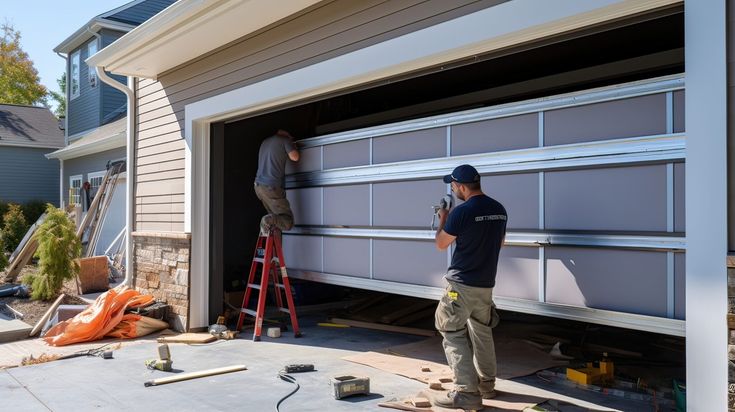
When homeowners think about storm protection, they often focus on roofing materials, impact-resistant windows, and reinforced entry doors. However, one of the most critical yet overlooked components of a home’s storm defense system is the garage door. Because garage doors are typically the largest moving opening in a house, they can become a major vulnerability during high-wind events.
Wind-load approved garage doors are specifically engineered to withstand extreme wind pressures and help maintain the structural integrity of a home during severe weather. Whether you live in a hurricane-prone coastal region, an area susceptible to tornadoes, or a location that regularly experiences powerful windstorms, investing in a wind-load approved garage door can significantly enhance your home’s safety and resilience.
Understanding how these specialized Phoenix Metro garage door repair work and why they are so important can help homeowners make informed decisions when upgrading or replacing their garage door system.
What Is a Wind-Load Approved Garage Door?
A wind-load approved garage door is a garage door that has been designed, tested, and certified to withstand specific levels of wind pressure.
Unlike standard garage doors, these doors are engineered to resist:
- High wind speeds
- Wind-driven debris impacts
- Pressure fluctuations during storms
- Structural deformation
Manufacturers reinforce these doors using stronger materials, upgraded hardware, and specialized construction techniques that improve their ability to withstand severe weather conditions.
Why Garage Doors Are Critical During Storms
Garage doors occupy a large portion of a home’s exterior wall. In many homes, the garage door is the single largest opening in the structure.
During severe storms, wind pressure against the garage door can become immense. If the door fails, the consequences can be far-reaching.
Potential risks include:
- Sudden wind intrusion into the garage
- Increased internal air pressure
- Roof uplift and damage
- Structural wall stress
- Water infiltration
- Damage to belongings and vehicles
A failed garage door can trigger a chain reaction that affects the entire home.
Understanding Wind Pressure and Structural Integrity
Strong winds create both positive and negative pressure forces around a building.
Positive Pressure
Positive pressure occurs when wind pushes directly against the exterior surface of a structure.
For garage doors, this force attempts to push the door inward.
Negative Pressure
Negative pressure develops when wind flows around the home and creates suction effects.
This force attempts to pull components outward.
Wind-load approved garage doors are designed to withstand both types of pressure without collapsing, bending excessively, or detaching from their tracks.
How Wind-Load Approved Garage Doors Protect Your Home
Preventing Garage Door Failure
The primary purpose of a wind-load approved garage door is to remain intact during severe weather.
By maintaining its structural integrity, the door prevents wind from entering the garage and creating dangerous internal pressure.
Protecting the Roof
One of the greatest threats during a storm is roof uplift.
When wind enters a garage through a failed door, pressure builds inside the home and pushes upward against the roof structure.
This can result in:
- Roof damage
- Partial roof loss
- Complete roof failure in extreme cases
A wind-resistant garage door helps prevent this pressure buildup.
Reducing Structural Stress
When a garage door fails, wind can exert additional pressure on interior walls and structural supports.
By keeping the garage sealed, wind-load approved doors help reduce stress on:
- Load-bearing walls
- Roof framing
- Structural connections
- Exterior building materials
This contributes to overall building stability.
Limiting Water Intrusion
High winds often drive rain toward vulnerable openings.
A properly installed wind-load approved garage door can help reduce:
- Water penetration
- Interior flooding
- Moisture damage
- Mold growth risks
Keeping the garage sealed protects both the structure and stored belongings.
Key Features of Wind-Load Approved Garage Doors
Reinforced Door Panels
Wind-load approved doors typically feature reinforced panels designed to resist bending under pressure.
Materials commonly used include:
- Heavy-gauge steel
- Reinforced aluminum
- Composite construction materials
These stronger panels help the door withstand significant wind forces.
Horizontal Reinforcement Struts
Many wind-rated doors incorporate reinforcement struts that run horizontally across the back of the door.
These supports:
- Improve rigidity
- Distribute wind pressure
- Reduce panel flexing
- Increase overall strength
Additional reinforcement helps prevent structural failure.
Heavy-Duty Tracks
Standard garage door tracks may not provide sufficient support during severe weather.
Wind-load approved systems often include:
- Thicker steel tracks
- Enhanced mounting brackets
- Additional fasteners
These upgrades help keep the door securely anchored during high winds.
Upgraded Hardware
Critical components such as:
- Hinges
- Rollers
- Brackets
- Fasteners
are often strengthened to improve overall performance under extreme conditions.
Stronger Anchoring Systems
Proper anchoring is essential for wind resistance.
Wind-rated garage doors use specialized mounting systems designed to transfer loads safely into the building structure.
Wind Ratings Explained
Garage doors are often rated according to the wind speeds they are designed to withstand.
Ratings vary depending on:
- Local building codes
- Geographic location
- Storm risk levels
- Exposure categories
The required rating for your home will depend on regional regulations and environmental conditions.
Higher wind ratings generally provide greater protection.
Wind-Load Approved Doors and Building Codes
Many states and municipalities, particularly in coastal regions, require wind-load approved garage doors for new construction and major renovations.
Building codes may specify:
- Minimum wind resistance levels
- Testing requirements
- Installation standards
- Structural reinforcement criteria
Compliance helps ensure that homes are better prepared for severe weather events.
Benefits Beyond Storm Protection
While storm resistance is the primary purpose of wind-load approved garage doors, they offer several additional benefits.
Enhanced Security
The reinforced construction makes these doors more resistant to forced entry attempts.
Stronger materials and hardware can improve home security year-round.
Increased Durability
Because they are built to withstand extreme conditions, wind-load approved doors often provide:
- Longer service life
- Greater resistance to wear
- Improved structural stability
This can reduce maintenance and repair costs over time.
Improved Home Value
Storm-resistant upgrades are attractive to many homebuyers, particularly in regions with severe weather risks.
A wind-rated garage door may contribute to:
- Higher resale value
- Increased buyer confidence
- Better marketability
Potential Insurance Savings
Some insurance providers offer discounts for homes equipped with approved storm-protection features.
Homeowners should consult their insurance company to determine eligibility.
Who Should Consider a Wind-Load Approved Garage Door?
These doors are particularly beneficial for homeowners living in:
Coastal Regions
Coastal areas frequently experience hurricanes and tropical storms with extreme wind conditions.
Tornado-Prone Areas
Although tornadoes can produce winds beyond the capabilities of many structures, wind-rated doors may still provide valuable protection during less severe events.
High-Wind Regions
Certain inland locations regularly experience powerful windstorms that can damage standard garage doors.
New Construction Projects
Including a wind-load approved garage door during construction provides long-term protection and code compliance.
Professional Installation Is Essential
A wind-load approved garage door can only perform as intended when installed correctly.
Professional installers ensure:
- Proper anchoring
- Correct track alignment
- Secure hardware installation
- Code compliance
- Structural reinforcement integration
Improper installation can compromise the door’s ability to withstand severe weather.
Maintaining a Wind-Load Approved Garage Door
Routine maintenance helps preserve the door’s protective capabilities.
Recommended maintenance includes:
- Inspecting reinforcement components
- Tightening hardware
- Lubricating moving parts
- Checking weather seals
- Scheduling professional inspections
Regular maintenance helps ensure the door remains ready for severe weather.
Signs It May Be Time to Upgrade
Consider replacing an older garage door if you notice:
- Significant rust or corrosion
- Structural damage
- Excessive flexing during operation
- Outdated construction
- Failure to meet current wind standards
Upgrading can improve both safety and performance.